Why Get Married? Understanding the Value of Modern Marriage
Seeing another engagement announcement online often prompts a quiet, personal reflection. Many people in committed relationships find themselves weighing the practical and emotional significance of marriage against simply continuing to live together. With evolving social norms and ongoing discussions about divorce, deciding whether to marry requires careful thought about what partnership truly means for you.
Marriage is no longer just a traditional milestone or a social expectation. For contemporary couples, it represents a deliberate choice to build a shared life. This decision encompasses emotional bonds, legal frameworks, and a vision for a future crafted together. The value of marriage lies not in the ceremony itself, but in the depth of partnership it can help foster.
Key Reasons People Choose to Marry
Couples decide to marry for a blend of personal, practical, and emotional reasons. While every relationship is unique, several common factors make marriage a compelling choice for many.
1. A Foundation of Deepened Commitment
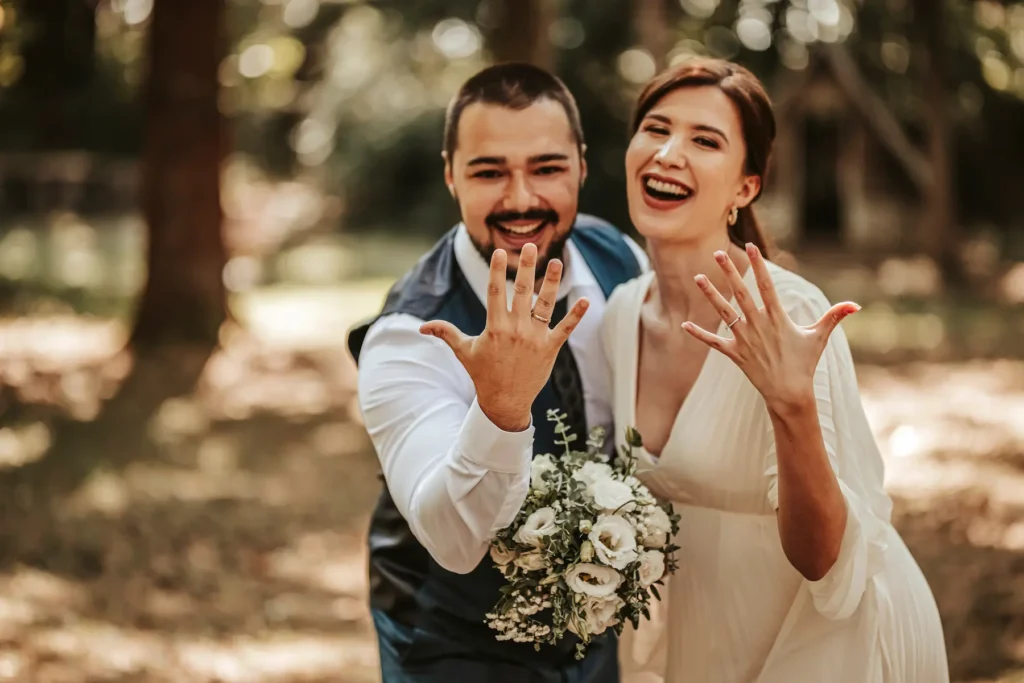
The act of marrying transforms a private understanding into a public promise. It’s a declaration made to each other, to families, and to the wider community that both partners are dedicated to a lifelong journey together. This formalized pledge often strengthens the resolve to nurture the relationship during difficult periods, creating a more resilient bond.
2. Legal Protections and Financial Advantages
Marriage comes with a suite of legal recognitions that unmarried cohabitation typically lacks. These protections provide security and simplify many aspects of shared life.
- Financial Benefits: Married couples often benefit from tax advantages, such as filing jointly, and may have enhanced access to credit and insurance policies.
- Healthcare and Decision-Making Rights: Spouses are automatically granted the right to visit each other in the hospital and make critical medical decisions if one partner becomes incapacitated.
- Estate and Inheritance: The legal framework of marriage streamlines inheritance and provides clear rights regarding property and assets, offering long-term security.
3. Creating a Stable Environment for Children
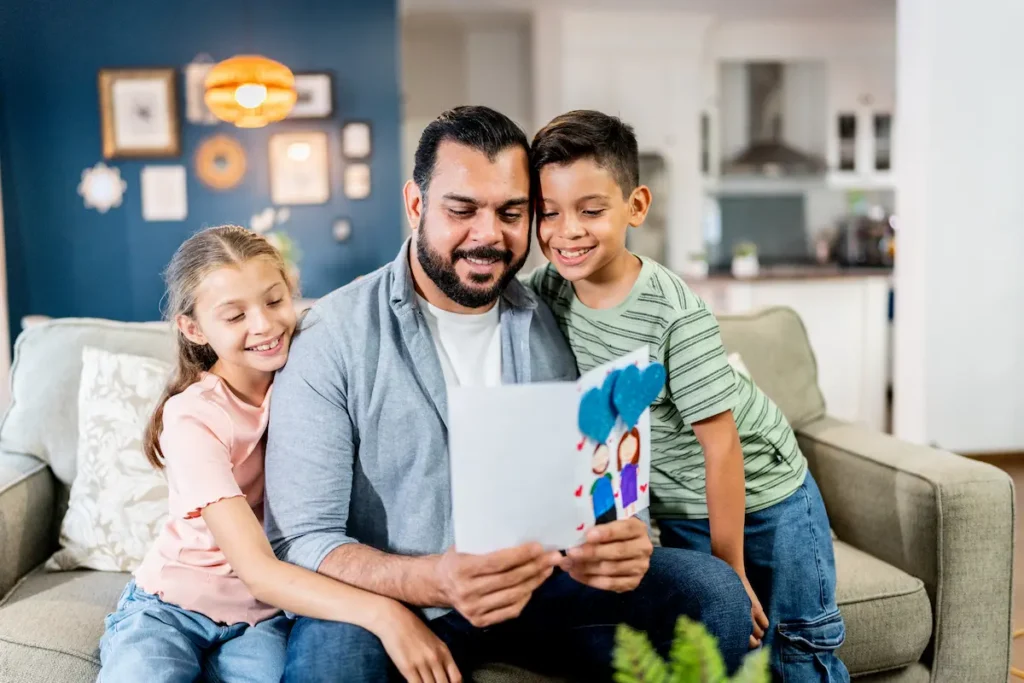
A stable, loving home is the most important factor for a child’s well-being, and marriage can contribute to that stability. While excellent parenting exists outside of marriage, the structure of a marital union often provides consistent family dynamics and pooled resources, which are linked to positive outcomes for children. It’s crucial to note that a high-quality, low-conflict relationship is the true source of benefit, not the marital status alone.
4. Emotional Security and Social Support
In an unpredictable world, marriage can offer a profound sense of emotional safety. Knowing you have a steadfast partner provides a buffer against life’s stresses. This security manifests as a reliable support system for personal challenges, a shared social identity that strengthens community ties, and a mutual commitment to facing future uncertainties together.
5. Personal and Spiritual Fulfillment
For many individuals, marriage holds deep personal or spiritual meaning. It can represent a sacred covenant, a ultimate expression of love and fidelity, or a meaningful life milestone that aligns with personal values and cultural traditions. This dimension moves the union beyond the practical into the realm of shared purpose and profound connection.
Addressing Common Questions About Marriage
When considering marriage, it’s natural to have doubts fueled by common misconceptions. Examining these concerns with accurate information can lead to a clearer personal decision.
Is Marriage Just a Piece of Paper?
Reducing marriage to a simple document overlooks its multifaceted nature. The marriage certificate is indeed a legal contract, but it also symbolizes a public vow, establishes a recognized family unit, and creates a binding framework for mutual responsibility that society understands and respects.
Don’t Half of All Marriages End in Divorce?
This frequently cited statistic is often misunderstood. Overall divorce rates have been declining for decades. Furthermore, risk factors like marrying at a very young age or having a lower educational attainment are associated with higher divorce rates. For couples who communicate well, share core values, and enter marriage thoughtfully, the likelihood of a lasting union is significantly greater.
Do You Need to Be Religious to Marry?
Marriage is a universal human institution that exists across secular and religious contexts. While many faiths have their own marriage ceremonies and teachings, civil marriage is a legal status available to everyone, regardless of personal beliefs. The core of modern marriage is the commitment between two people.
How to Know If You’re Ready for Marriage
Choosing to marry is a significant decision. Reflect on your motivations and relationship health to determine if it’s the right step for you and your partner.
- Evaluate Your Motivations: Are you considering marriage primarily due to external pressure, financial convenience, or fear of being alone? While these can be factors, a strong foundation should be built on mutual love, respect, and a shared vision.
- Assess Relationship Strengths: Do you and your partner communicate openly and resolve disagreements constructively? Do you share compatible values about finances, family, and life goals? A solid partnership is the best predictor of marital success.
- Consider Practical Alignment: Have you discussed practical matters like finances, career aspirations, and whether you want children? Being on the same page about daily life is essential.
Many couples find pre-marital counseling valuable. It provides a structured space to discuss important topics, improve communication skills, and identify potential areas for growth before making a lifelong commitment.
Making the Choice That’s Right for You
Ultimately, the decision to marry is deeply personal. For some, it is the perfect vessel to formalize and deepen a loving commitment, offering structure, security, and social recognition. For others, a fulfilling, lifelong partnership exists perfectly well without a marriage license. Both paths are valid.
The essential question isn’t whether marriage is universally worthwhile, but whether it aligns with what you and your partner want from your life together. It’s about choosing to build a shared future intentionally, with honesty, commitment, and a promise to support one another through all of life’s chapters.
Disclaimer: This article is for informational purposes only and does not constitute medical, psychological, legal, or professional advice.