Protecting Your Peace: A Guide to Healthy Boundaries and Self-Care
The concept of “protecting your peace” has become a popular directive in conversations about mental health and personal wellbeing. While it sounds simple, its application in daily life requires nuance and self-awareness. This guide explores the genuine practice behind the phrase, distinguishing between healthy self-preservation and harmful avoidance.
True peace protection is not about building walls to isolate yourself from every challenge. It involves developing the discernment to know when to engage and when to step back, ensuring your emotional resources are spent on what truly matters and aligns with your values.
The Foundations of a Healthy Practice
Genuine peace protection is built on intentional habits that foster resilience and calm. It’s a proactive strategy, not a reactive escape. The goal is to create a stable internal environment from which you can engage with the world more fully, not to withdraw from it completely.
Several key components work together to form a sustainable approach. These elements help you manage your energy, set clear limits, and nurture relationships that are mutually supportive rather than draining.
- Establishing Clear Boundaries: Boundaries define the space between you and others, clarifying what behavior you find acceptable. They are essential for limiting exposure to consistently stressful or disrespectful interactions. In situations that feel unsafe or chronically harmful, creating distance or ending contact is a necessary act of self-care.
- Practicing Energy Awareness: This involves honestly assessing your emotional and mental capacity at any given time. By noticing which activities and interactions replenish you and which deplete you, you can make more aligned choices about where to invest your limited resources.
- Fostering Reciprocal Relationships: Healthy peace thrives in connections where effort and care flow both ways. It means consciously investing in relationships that feel authentic, where emotional labor isn’t borne by one person alone. This allows you to offer your energy where it can grow and create value, rather than being constantly drained.
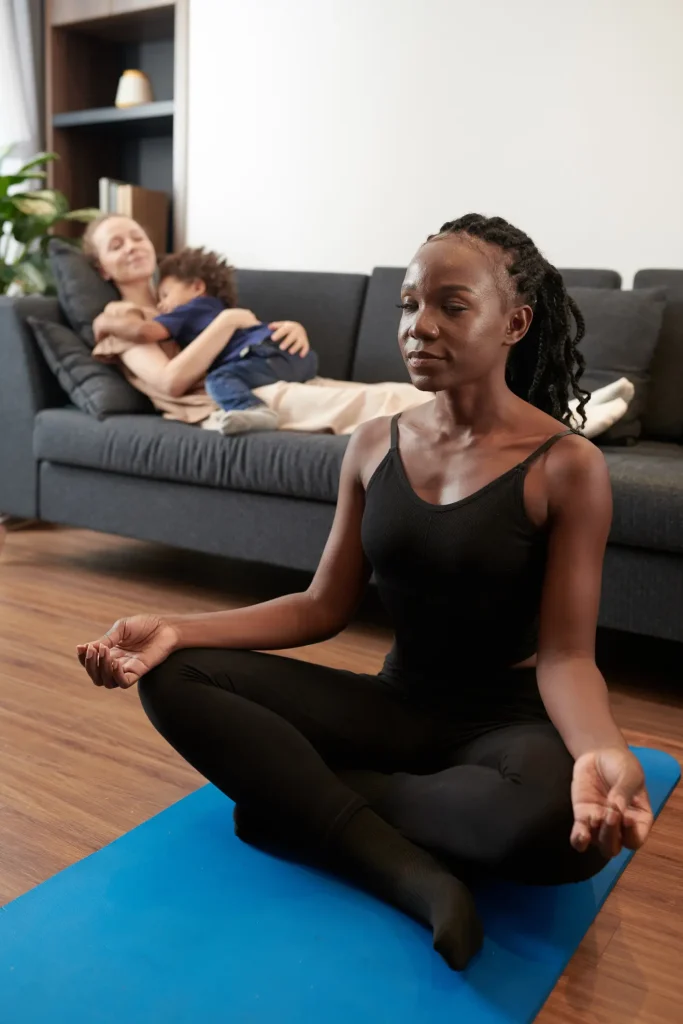
- Cultivating Calming Rituals: Peace is not just defined by what you avoid, but by what you actively nurture. Daily habits that ground and recharge you—such as rest, mindful movement, or spiritual practices—build a foundation of internal stability that can withstand external chaos.
When Self-Care Becomes Avoidance
Any powerful idea can be misapplied. The language of protecting one’s peace is sometimes used to justify withdrawing from necessary discomfort or sidestepping relational responsibilities. Recognizing this shift is crucial for maintaining healthy connections.
Using the phrase to permanently exit difficult conversations, to avoid all forms of conflict, or to shirk commitments under the guise of self-care can damage trust and stunt personal growth. It transforms a tool for wellbeing into a barrier to authentic relationship.
Communicating Your Needs Effectively
In safe relationships, protecting your peace involves clear communication, not silent withdrawal. It’s about expressing your limits while maintaining accountability and connection.
There’s a distinct difference between setting a healthy boundary and simply avoiding an issue. A boundary might sound like, “I need to pause this conversation and revisit it tomorrow when I’m calmer,” or “I can listen to your problem, but I don’t have the capacity to solve it for you right now.” Avoidance, on the other hand, often involves vague statements like “This doesn’t serve my peace” without further explanation, or consistently canceling plans without communication.
Important Note: Open communication is only appropriate in relationships that are fundamentally safe. If you are experiencing abuse or violence, prioritizing your safety—through any means necessary, including distance or withdrawal—is always the correct and justified choice.
Questions for Self-Reflection
How can you tell if you’re practicing healthy self-preservation or slipping into avoidance? Asking yourself a few pointed questions can provide clarity.
- Is my action motivated by a genuine need for restoration, or by a desire to escape discomfort?
- Am I communicating my needs clearly, or am I withdrawing without explanation?
- Is this a consistent pattern of setting a limit, or a one-time reaction to overwhelm?
- Does this choice allow me to eventually re-engage more fully, or does it permanently sever a connection I value?
Balancing Personal Peace with Relational Commitment
The healthiest approach recognizes that personal wellbeing and relational responsibility are not opposites. There’s an inherent balance between honoring your own needs and showing up reliably for the people who matter to you.
As the saying goes, if you desire a supportive community, you must also be a contributing member of it. Protecting your peace doesn’t negate the importance of keeping commitments or being someone others can depend on, even when it requires effort. It does, however, mean choosing your engagements wisely and having the honesty to communicate when you need to set a limit or take space.
Ultimately, the most effective form of peace protection is that which enables you to be more present, resilient, and authentically engaged in your own life and relationships. It’s a practice that supports you in showing up as your best self.
Disclaimer: This article is for informational purposes only and does not constitute medical, psychological, legal, or professional advice.