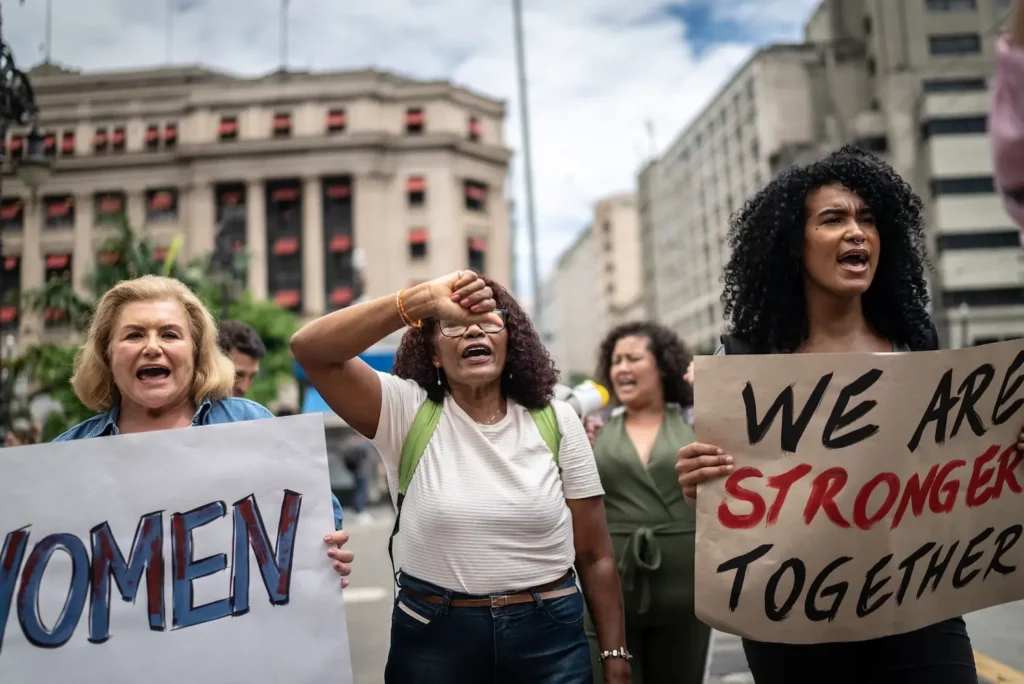
International Women’s Day: A Call for Action and Reflection
Each year on March 8th, the world pauses to honor International Women’s Day. This global observance celebrates the profound social, economic, cultural, and political contributions of women. It also serves as a powerful reminder of the ongoing journey toward true gender parity, a goal that remains distant for many.
The day’s significance is amplified as it occurs within Women’s History Month, a period dedicated to examining and appreciating the pivotal roles women have played throughout history. This convergence underscores a dual purpose: to celebrate progress while demanding accelerated action to dismantle the systemic barriers that continue to impede equality.
The Persistent Challenge of the Mental Load
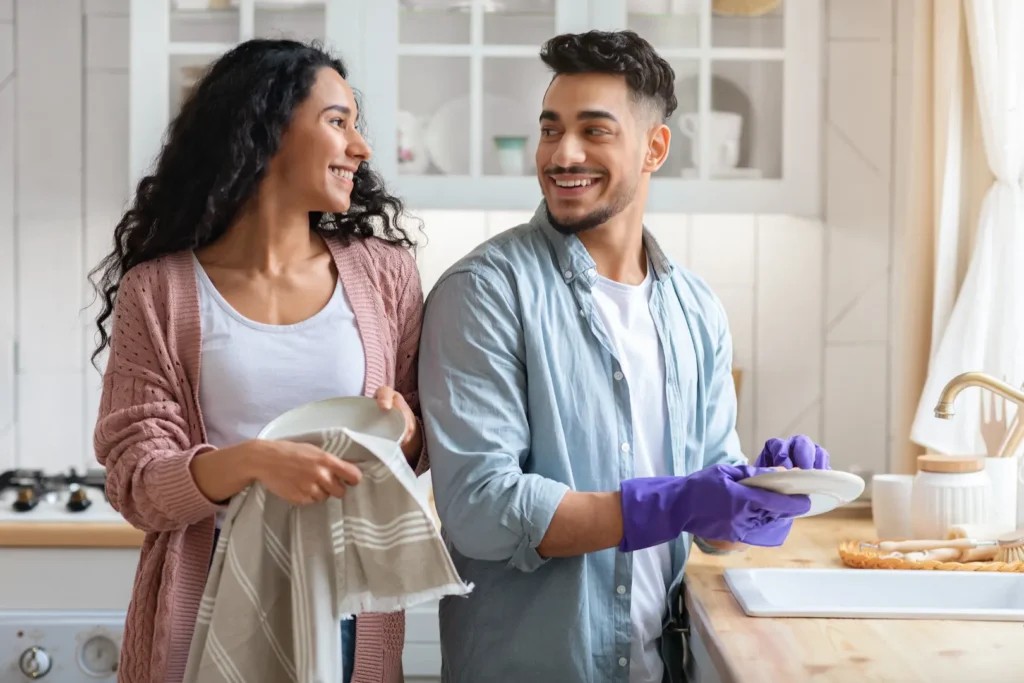
While discussions of gender inequality often center on visible issues like the persistent gender pay gap, another, more insidious burden weighs heavily on many women. Beyond compensated work, a vast amount of cognitive and emotional labor—often called the mental load—falls disproportionately on women’s shoulders. This involves the constant, invisible work of managing a household, anticipating family needs, coordinating schedules, and maintaining the emotional well-being of loved ones.
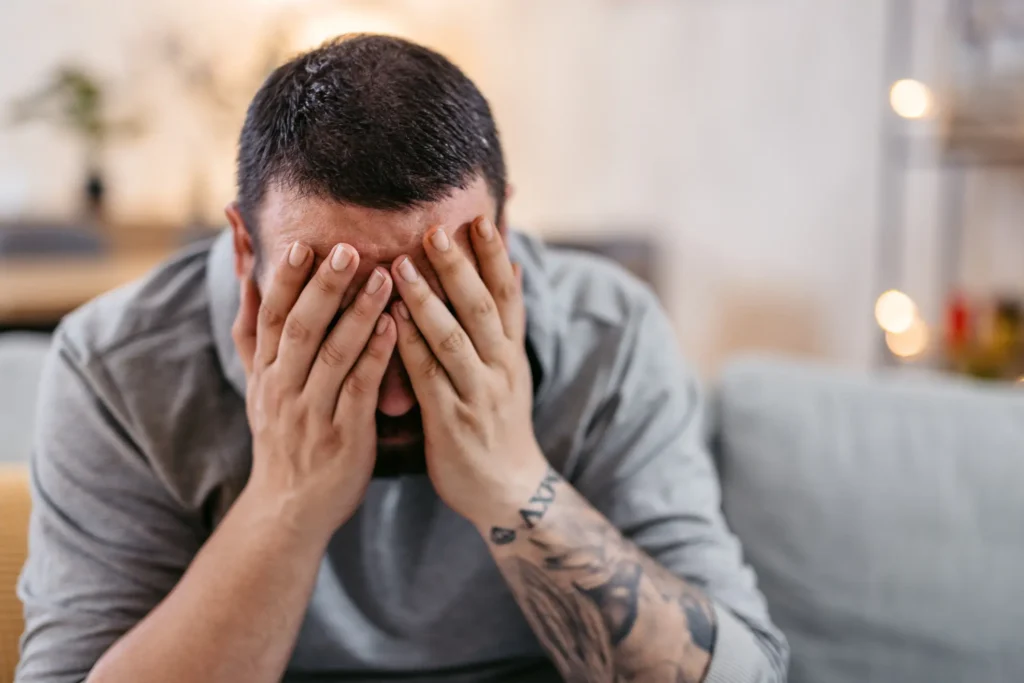
Carrying this relentless mental burden has tangible consequences. It can lead to increased stress, diminish satisfaction in personal life and relationships, and create obstacles in professional advancement. The expectation that women should naturally assume this role, often putting others’ needs consistently before their own, is a societal norm that requires conscious, collective effort to change.
Strategies for Mitigating Emotional Labor
Addressing the imbalance of mental labor requires both systemic shifts in partnership dynamics and intentional personal practices. For women feeling overwhelmed, prioritizing self-care is not an indulgence but a necessity for sustainability. This means consciously making time for activities that restore energy and bring joy, free from guilt.
- Physical Rejuvenation: Regular physical activity is a proven stress reliever. Whether it’s a brisk walk with a favorite playlist or a dedicated fitness session, movement can improve mood and resilience.
- Intellectual and Spiritual Nourishment: Carving out time to read, engage with nature, or pursue a hobby provides essential mental space away from daily demands.
- Social Connection: Intentionally reaching out to friends, whether for a quick chat or a planned outing, fosters a vital support network and a sense of community beyond the home.
Within relationships, establishing structured communication can help distribute the emotional labor of relationship maintenance. Creating regular rituals, such as a dedicated time to discuss concerns or check in on the partnership’s health, can ensure both partners share responsibility for its wellbeing.
Fostering Equality in Partnerships
A key component of achieving balance at home lies in the concept of mutual influence. Research in relationship science highlights that healthy, satisfying partnerships are often characterized by a genuine sharing of power and respect for each partner’s perspective. This involves actively valuing a partner’s ideas and incorporating their viewpoint into joint decision-making.
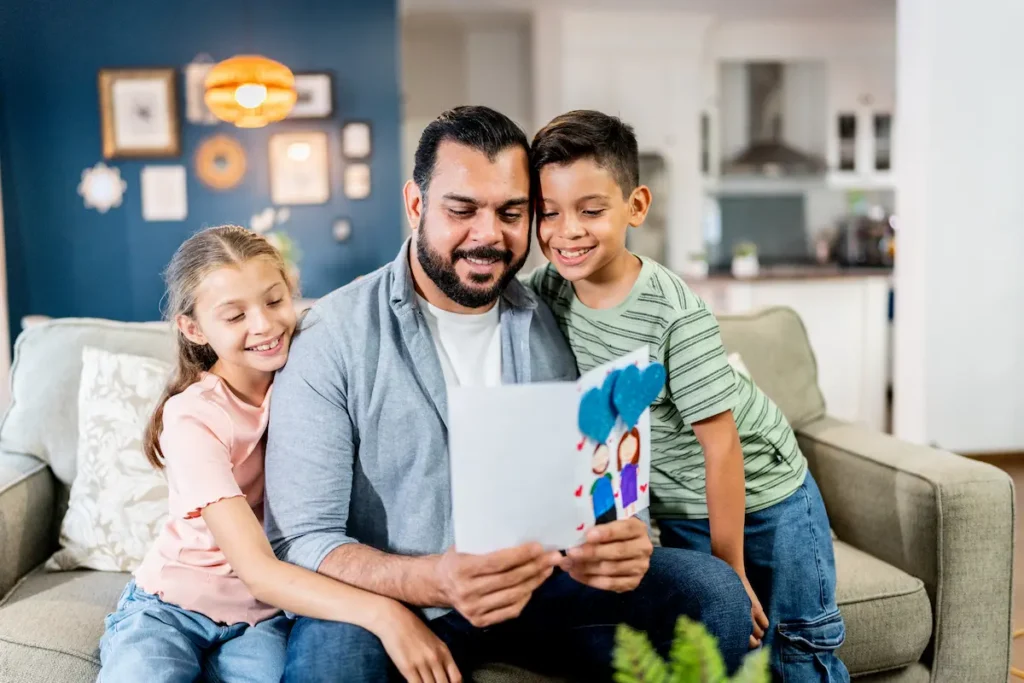
When influence is accepted and shared, it leads to more equitable dynamics. Studies indicate that relationships where power is balanced tend to be more stable and fulfilling for both individuals. Furthermore, children raised in such environments often experience better developmental outcomes, highlighting how partnership equality benefits the entire family system.
Celebrating a Legacy of Contribution
The spirit of International Women’s Day is embodied by countless individuals who drive change. Within the field of relationship health, Dr. Julie Schwartz Gottman’s career stands as a testament to impactful contribution. As a co-founder of The Gottman Institute, her work as a clinician, researcher, and author has been instrumental in translating complex psychological research into practical, accessible tools.
Her efforts to bridge the gap between academic study and real-world application have empowered hundreds of thousands of couples and the therapists who support them. This translation of theory into actionable skills represents a significant, though often less visible, achievement that has profoundly shaped modern approaches to strengthening relationships.
Moving Forward Together
International Women’s Day and Women’s History Month are not merely dates on a calendar. They represent a collective commitment to honor past struggles, celebrate present achievements, and actively build a more equitable future. This involves challenging entrenched norms about women’s roles, advocating for fair distribution of labor in all forms, and protecting women’s wellbeing within their relationships and communities.
The path to gender equality relies on the concerted efforts of all who value human rights. It is a story still being written, driven by daily actions, shared responsibility, and a sustained refusal to accept the status quo.
Disclaimer: This article is for informational purposes only and does not constitute medical, psychological, legal, or professional advice.