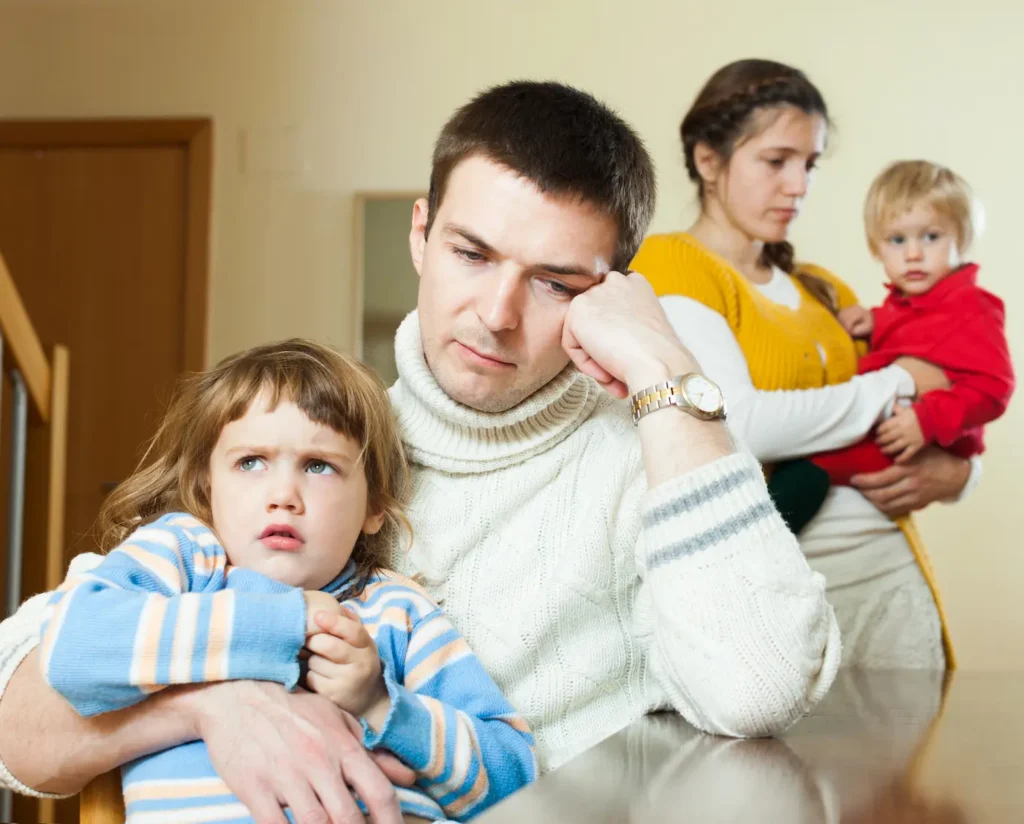
Recognizing and Rebuilding Emotional Connection in Relationships
Many couples experience a gradual shift where the warmth and closeness they once shared begins to fade. This emotional distance can leave partners feeling like roommates rather than romantic companions, navigating daily logistics without sharing their inner worlds. Addressing this drift is essential for restoring the intimacy and fulfillment that defines a healthy, lasting partnership.
The Impact of Emotional Distance on Your Relationship
When emotional connection weakens, the effects permeate every aspect of a partnership. Interactions that were once sources of joy and support can become sources of frustration and misunderstanding. Partners may start to feel lonely even when they are together, as the sense of being truly known and understood diminishes.
This dynamic often leads to a cycle of withdrawal. One person might stop sharing details about their day or their feelings, assuming their partner isn’t interested. The other, sensing this retreat, may pull back further in response. Over time, decision-making becomes strained, conflicts escalate without resolution, and the relationship can feel more like a series of transactions than a shared emotional journey. The foundation of trust and mutual support, crucial for navigating life’s challenges together, begins to erode.
Key Signs Your Relationship Lacks Emotional Intimacy
Identifying emotional disconnection requires honest observation of daily patterns. Often, the changes are subtle and accumulate slowly, making them easy to dismiss until a significant gap has formed.
- Superficial Communication: Conversations revolve almost entirely around schedules, chores, or logistics. Discussions about hopes, fears, or personal challenges feel forced, awkward, or are avoided altogether. “How was your day?” yields a one-word answer rather than an invitation to connect.
- Diminished Shared Joy: Activities or hobbies you once enjoyed together no longer happen. There’s a lack of initiative to create new shared experiences, and time spent together may feel obligatory rather than desired.
- Withheld Emotional Support: You hesitate to bring your worries or struggles to your partner, fearing indifference, judgment, or a lack of understanding. Conversely, you might feel unsure how to comfort or support your partner when they are upset.
- Physical and Affectionate Distance: Non-romantic touch like hand-holding or casual hugs decreases. Physical intimacy may feel mechanical or infrequent, lacking the emotional closeness that once accompanied it.
- Conflict Patterns Change: Disagreements quickly turn defensive or lead to stonewalling (shutting down). The goal shifts from understanding each other’s perspective to “winning” the argument or avoiding it entirely, leaving issues unresolved.
Common Causes Behind Growing Emotional Distance
Understanding what fuels emotional drift can help couples address the root issues rather than just the symptoms. Several factors frequently contribute to this gradual separation.
Communication Breakdown: The most prevalent cause is a shift in how partners communicate. They may stop expressing their true feelings, needs, and vulnerabilities. This can stem from a fear of conflict, a belief they won’t be heard, or simply falling into passive routines where deep conversation feels like too much effort.
Unmet Emotional Needs: Every individual has core emotional needs, such as feeling valued, secure, or appreciated. When these needs go unrecognized or unfulfilled over long periods, resentment and disengagement can build. A partner might withdraw emotionally because they feel their efforts are not seen or reciprocated.
External Stress and Life Pressures: Demands from work, financial strain, parenting, or caring for family members can consume mental and emotional energy. Partners become focused on managing crises rather than nurturing their bond, leading them to function as co-managers of a household instead of intimate allies.
Unresolved Past Hurts: Previous arguments, betrayals, or disappointments that were never fully processed can create an undercurrent of resentment. To avoid re-opening old wounds, partners may build emotional walls, which prevents new intimacy from forming.
Complacency and Routine: The stability of a long-term relationship can sometimes lead to taking each other for granted. Couples may stop “dating,” stop expressing appreciation, or assume the connection will maintain itself without active investment, allowing the emotional spark to dim.
Practical Pathways to Rebuild Your Emotional Bond
Reconnecting is an active process that requires intention and commitment from both partners. The following strategies can help bridge the emotional gap and foster renewed closeness.
Initiate Purposeful, Vulnerable Dialogue: Move beyond logistical talk. Set aside dedicated, distraction-free time for check-ins. Use “I feel” statements to express your emotions without blaming your partner. The goal is not to problem-solve immediately but to be heard and to listen with empathy, validating each other’s experiences.
Reclaim Shared Experiences: Actively schedule activities you both enjoy, whether it’s an old hobby or trying something completely new together. Shared positive experiences create common ground and joyful memories, counteracting the drift of parallel lives. The focus should be on collaboration and fun, not performance.
Establish Daily Rituals of Connection: Small, consistent actions build security. This could be a proper goodbye kiss in the morning, a daily debrief over tea after work, or a habit of sharing one thing you appreciated about each other that day. These rituals become anchors of predictability and care in the relationship.
Practice Responsive Attunement: Pay close attention to your partner’s bids for connection—those moments when they share a story, express a need, or initiate touch. Consistently “turning toward” these bids with interest and responsiveness, rather than away with distraction or indifference, is fundamental to rebuilding trust and intimacy.
Reintroduce Non-Verbal Affection: Don’t underestimate the power of touch. A gentle hand on the shoulder, a longer hug, or holding hands while watching TV can communicate care and safety when words feel difficult. Rebuilding physical comfort often goes hand-in-hand with rebuilding emotional comfort.
When to Seek Professional Guidance
Sometimes, patterns of disconnection are too entrenched to shift without outside help. Seeking couples therapy is a sign of strength and commitment, not failure.
A skilled therapist provides a neutral space where both partners can express themselves safely. They can help identify destructive communication cycles, guide couples through conversations about unmet needs and past hurts, and teach practical tools for emotional attunement and conflict management. Frameworks like the Gottman Method offer structured approaches to rebuilding friendship, managing conflict, and creating shared meaning. Therapy can equip you with the skills to not only repair the current rift but also to foster a deeper, more resilient connection for the future.
Disclaimer: This article is for informational purposes only and does not constitute medical, psychological, legal, or professional advice.